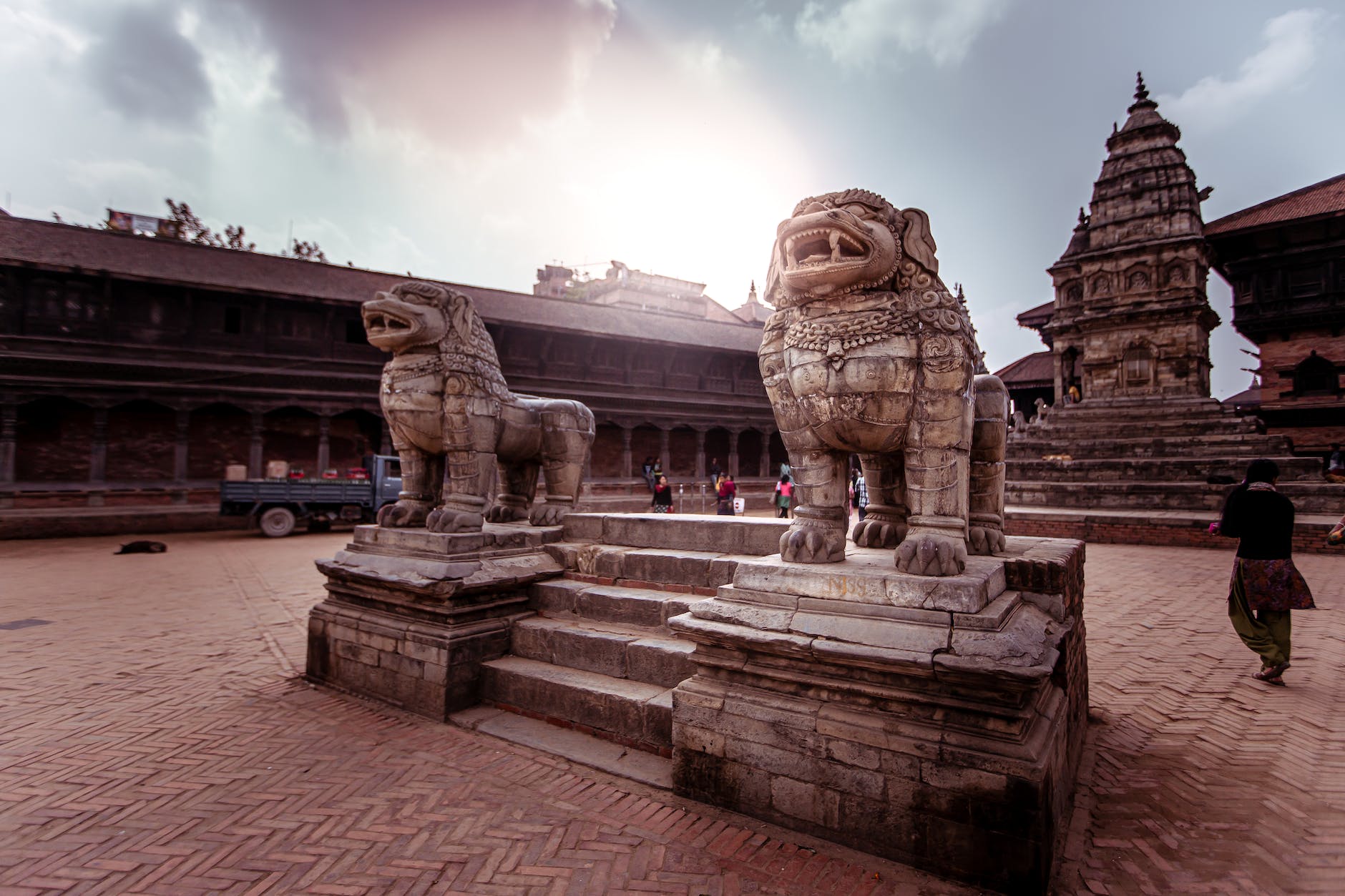
India boasts numerous UNESCO World Heritage sites that showcase its rich cultural and historical heritage. Here are seven of the coolest UNESCO World Heritage sites in India. These UNESCO World Heritage sites in India showcase the country’s architectural brilliance, cultural diversity, and historical significance. Exploring these sites provides a fascinating journey through India’s rich heritage.
Ellora Caves (Maharashtra): The Ellora Caves, located near Aurangabad, are a UNESCO World Heritage site renowned for their architectural marvels. The site contains 34 rock-cut caves representing Hindu, Buddhist, and Jain traditions. The Kailasa Temple, a monolithic structure carved out of a single rock, is a standout attraction.
Hampi (Karnataka): Hampi, in the state of Karnataka, is an expansive UNESCO World Heritage site known for its ancient ruins. It was once the capital of the Vijayanagara Empire and features magnificent temples, royal complexes, and monolithic structures. The Virupaksha Temple, Vittala Temple complex, and the stone chariot are major highlights.
Khajuraho Group of Monuments (Madhya Pradesh): The Khajuraho Group of Monuments is a collection of stunning medieval Hindu and Jain temples. These temples are famous for their intricate and ornate carvings depicting various aspects of life, including sensuous sculptures. The site is a UNESCO World Heritage site and offers a glimpse into India’s ancient architectural and artistic heritage.
Konark Sun Temple (Odisha): The Konark Sun Temple, located in Odisha, is a magnificent temple dedicated to the Sun God. Built-in the 13th century, it is a UNESCO World Heritage site and is renowned for its architectural grandeur and intricate stone carvings. The temple resembles a colossal chariot, with intricately carved wheels and horses.
Ajanta and Ellora Caves (Maharashtra): The Ajanta Caves, along with the Ellora Caves mentioned earlier, form a UNESCO World Heritage site in Maharashtra. The Ajanta Caves are a series of rock-cut Buddhist caves adorned with stunning murals and sculptures that date back to the 2nd century BCE. These caves are considered masterpieces of Buddhist art and showcase intricate craftsmanship.
Mahabodhi Temple Complex (Bihar): The Mahabodhi Temple Complex in Bodh Gaya, Bihar, is a UNESCO World Heritage site and one of the most sacred Buddhist pilgrimage sites in the world. It is believed to be the place where Gautama Buddha attained enlightenment. The complex houses the iconic Mahabodhi Temple, adorned with intricately carved stone structures and a Bodhi tree.
Great Living Chola Temples (Tamil Nadu): The Great Living Chola Temples, consisting of the Brihadeeswarar Temple in Thanjavur, the Airavatesvara Temple in Darasuram, and the Gangaikonda Cholapuram Temple, are UNESCO World Heritage sites in Tamil Nadu. These temples were built during the Chola dynasty and represent the height of architectural and sculptural achievements of the period.


Leave a Reply