When discussing Mughal architecture in India, the Taj Mahal is often the focal point due to its magnificent design. However, there are numerous other fascinating sites beyond its famous marble exterior. The Mughal rulers left behind a legacy of impressive stone monuments throughout the subcontinent. Join me on a journey to discover some of the most remarkable Mughal structures that serve as a testament to a bygone era of luxury, creativity, and artistic excellence.
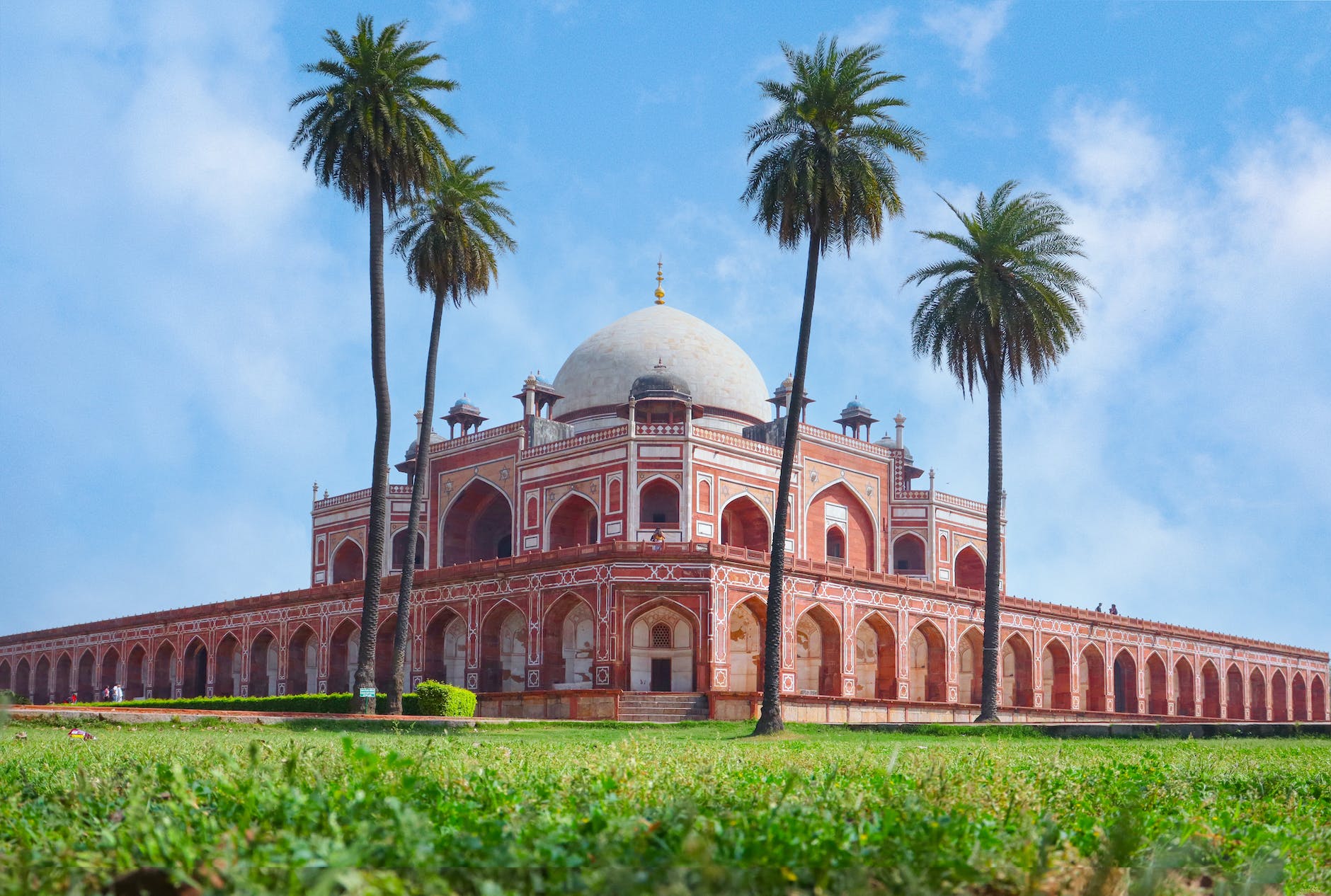
Humayun’s Tomb, Delhi: A tale of elegance and heritage Nestled in the heart of India’s bustling capital, Humayun’s Tomb is a mesmerizing precursor to the Taj Mahal. A symphony of red sandstone and intricate Persian design, this UNESCO World Heritage Site pays homage to Emperor Humayun. Its tranquil gardens and towering architecture beckon visitors to step back in time and immerse themselves in a world of grandeur.
Agra Fort: Unveiling the Citadel of Emperors While the Taj Mahal casts its ethereal glow nearby, the Agra Fort holds its ground as a formidable stronghold of Mughal power. Beyond its imposing walls lies a realm of palaces, pavilions, and stories that whisper of emperors’ lives lived within. The fort, constructed with regal red sandstone, provides a glimpse into the history of the Mughals.
Fatehpur Sikri: A ghost city frozen in time Venture beyond Agra, and the ghostly allure of Fatehpur Sikri unfolds. This abandoned city, envisioned by Emperor Akbar, paints a vivid picture of the empire’s past glory. The Buland Darwaza, Jama Masjid, and Panch Mahal testify to the artistry within the walls.
Delhi’s Red Fort: A Ruby amidst monuments Delhi’s history is an intricate tapestry woven with monumental threads, and at its heart stands the Red Fort. The red sandstone, which gives this UNESCO World Heritage Site its name, is breathtakingly beautiful and tells the stories of powerful emperors who once stood upon its balconies. Palaces, museums, and gardens intertwine to create an experience that transports you to an era of grandeur.
Jama Masjid: Where divinity meets architecture Adjacent to the Red Fort, the Jama Masjid is a testament to the union of faith and architecture. One of India’s largest mosques, it boasts a grand courtyard, minarets that seem to touch the sky, and a beauty that transcends time. As you walk through the courtyards, you can almost hear the echoes of prayers from centuries ago.
Qutub Minar: Echoes of an ancient marvel While not a strictly Mughal creation, the Qutub Minar complex reflects the harmonious blend of architectural styles that characterize India’s history. The towering minaret, adorned with intricate carvings, stands as a sentinel in the Qutub Complex, an ode to India’s diverse heritage.
Tomb of Akbar the Great: Fusion of culture and legacy In Agra’s embrace, the Tomb of Akbar the Great pays homage to an emperor known for his inclusivity and cultural curiosity. This tomb’s amalgamation of architectural styles speaks volumes about Akbar’s vision for a united India. Amidst lush gardens, the intricate carvings and grandeur offer a peaceful reflection on an emperor’s enduring legacy.


Leave a Reply