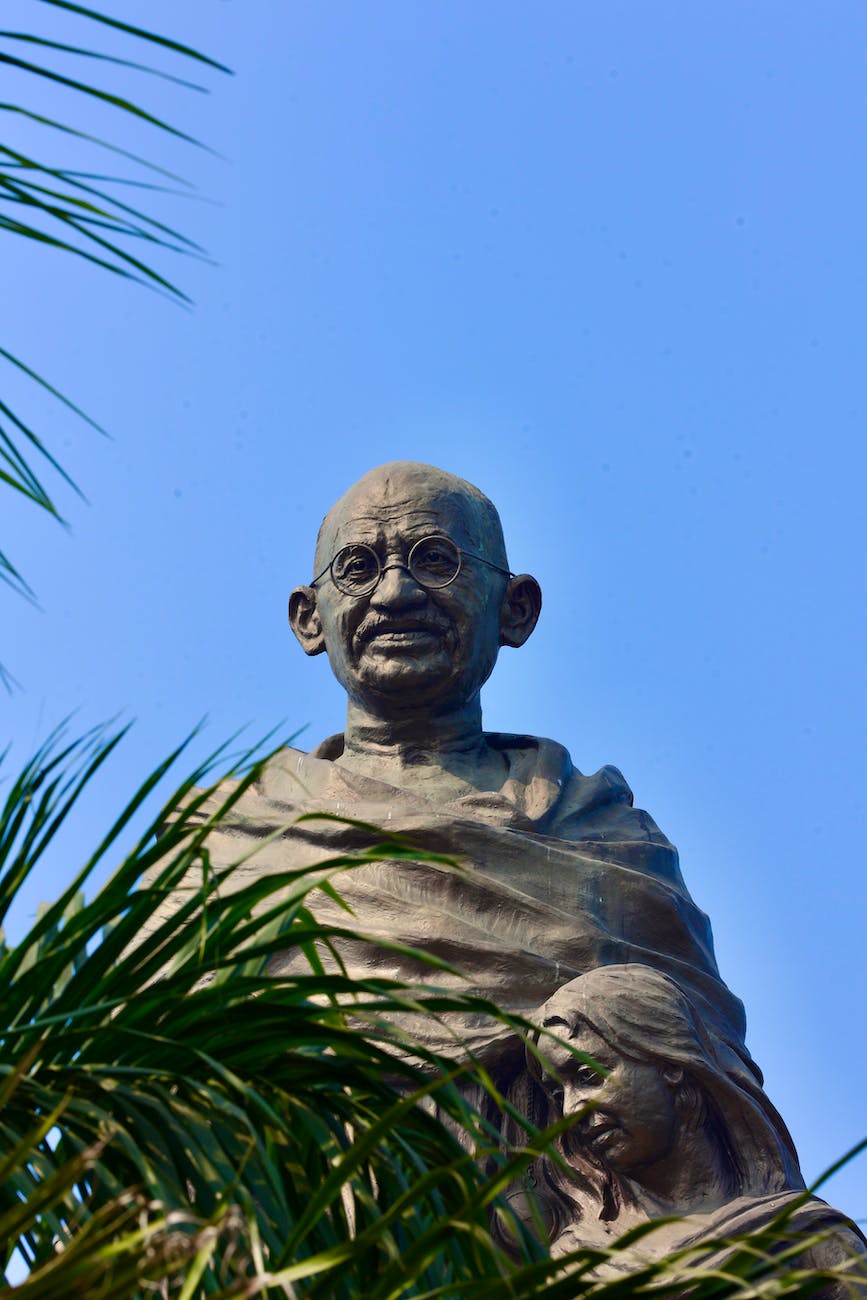
As we celebrate the birthday of Mahatma Gandhi, we pay tribute to the man who led India to independence through non-violence and civil disobedience. His legacy continues to inspire millions across the globe. To honour the Mahatma, let’s embark on a journey to seven significant places that shaped his extraordinary life and continue to influence ours –
Sabarmati Ashram, Ahmedabad: Our exploration begins at the Sabarmati Ashram, a place that stood witness to Gandhi’s relentless pursuit of freedom. Located on the tranquil banks of the Sabarmati River in Ahmedabad, this ashram was not just his residence but a testament to his life of simplicity and selflessness.
Dandi Beach, Gujarat: In 1930, Gandhi initiated the historic Salt March, covering 240 miles from Sabarmati Ashram to Dandi Beach. This act of non-violent civil disobedience was a resounding protest against the oppressive British salt tax. Today, Dandi Beach stands as a monument to Gandhi’s unwavering commitment to change.
Mani Bhavan, Mumbai: Tucked away in the bustling metropolis of Mumbai, Mani Bhavan served as Gandhi’s nerve centre for his activities in the city. Mahatma Gandhi orchestrated pivotal movements from here, including the historic Quit India Movement. Today, the building is a museum that celebrates his extraordinary life.
Gandhi Smriti, Delhi: Formerly known as Birla House, this unassuming spot in Delhi is where Gandhi spent his final 144 days. Tragically, it was here that he met his end on January 30, 1948, assassinated for his unwavering commitment to India’s freedom. Gandhi Smriti is a living museum of his life and ultimate sacrifice.
Aga Khan Palace, Pune: During World War II, Gandhi and a group of freedom fighters were held at the Aga Khan Palace. Tragically, two of his closest associates, Kasturba Gandhi and Mahadev Desai, passed away while they were being held captive there. The palace has since been transformed into a museum to honour their enduring legacy.
Champaran, Bihar: In 1917, Gandhi embarked on his first major protest in India in the Champaran district of Bihar. He championed the cause of indigo farmers who were subjected to brutal exploitation. Today, Champaran symbolizes his early struggles for justice and equality.
Raj Ghat, Delhi: Our journey concludes at Raj Ghat, a serene memorial on the banks of the Yamuna River, where Mahatma Gandhi was cremated and his ashes buried. This tranquil site on the banks of the Yamuna River draws millions each year, all seeking solace and inspiration from the man who demonstrated the potency of non-violent resistance.


Leave a Reply