Namdapha National Park, in the northeastern state of Arunachal Pradesh, is a hidden gem waiting to be discovered by intrepid travellers seeking adventure, wildlife encounters, and cultural immersion. With its untamed wilderness, exotic flora and fauna, and rich cultural heritage, Namdapha promises an unforgettable journey into the heart of the Eastern Himalayas. Encompassing a vast expanse of lush tropical forests, majestic mountains, and meandering rivers, Namdapha is a paradise for nature enthusiasts and adventure seekers alike. Here are seven compelling reasons why Namdapha National Park should be at the top of your travel bucket list –
Untamed wilderness
Namdapha is renowned for its pristine wilderness, characterized by dense forests, rugged terrain, and rich biodiversity. It is the largest protected area in the Eastern Himalayan biodiversity hotspot, with over 1,985 square kilometres. Within its boundaries lie diverse ecosystems, ranging from subtropical rainforests to alpine meadows, providing a habitat for rare plants and animal species, including elusive creatures like Namdapha flying squirrel, red panda, dhole, Malayan sun bear, Indian wolf, Asiatic black bear, gaur, stump-tailed macaque, Assamese macaque, and rhesus macaque.
Exotic Flora and Fauna
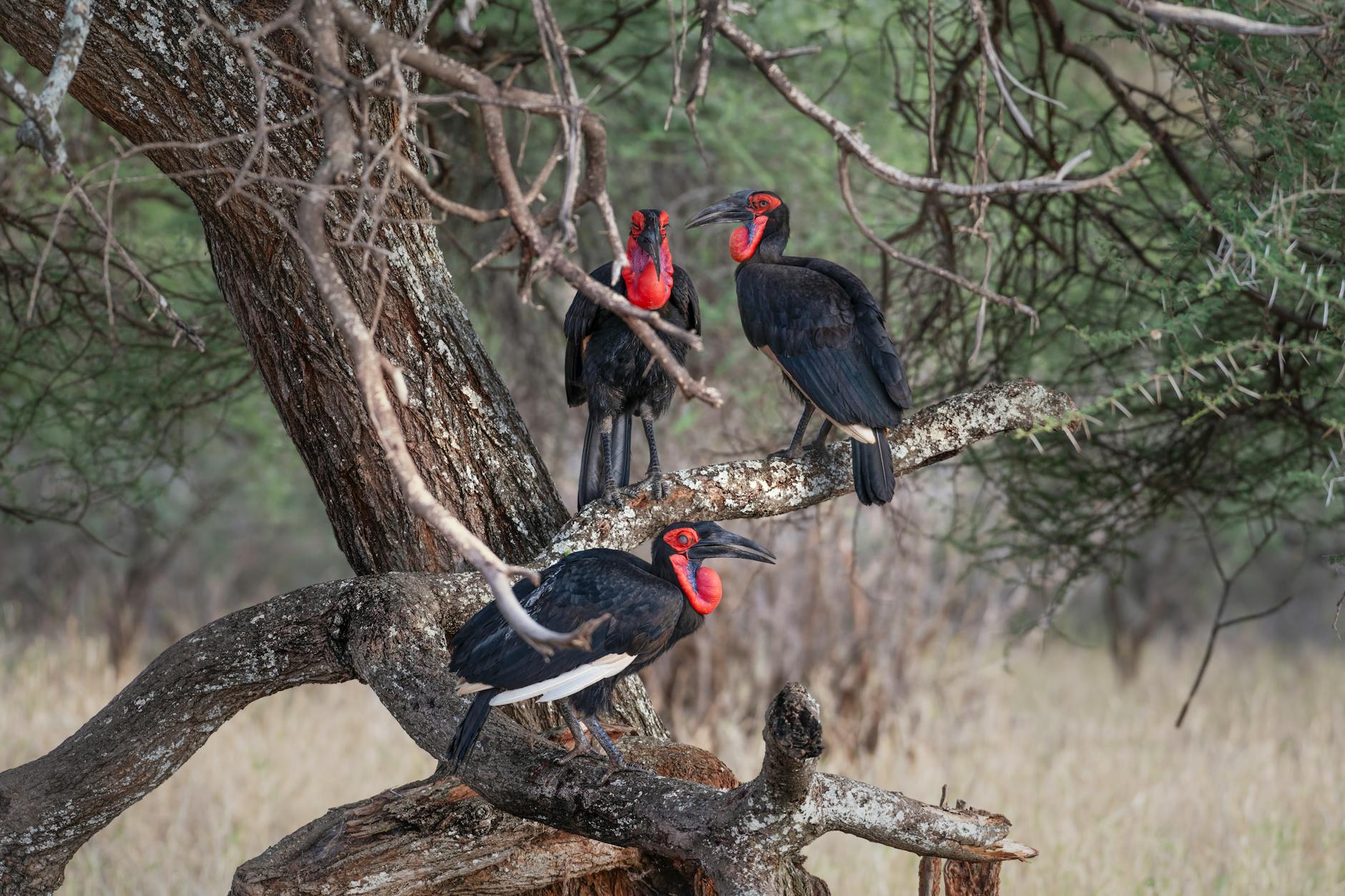
The biodiversity of Namdapha National Park is unparalleled, with over 1,000 species of flowering plants, 425 species of birds, and numerous mammals, reptiles, and amphibians. Here, you can encounter rare and endangered species such as the Hoolock gibbon, Indian elephant, Asiatic black bear, and several bird species, including the beautiful Rufous-necked hornbill and Great Indian hornbill. The park is also home to the world’s largest moth, the Atlas moth, adding to its allure for wildlife enthusiasts.
Birdwatcher’s Paradise
For birdwatchers, Namdapha is a haven of avian diversity, offering the opportunity to spot a wide range of bird species in their natural habitat. With its diverse ecosystems, including subtropical evergreen forests, montane forests, and grasslands, the park provides ideal conditions for both resident and migratory birds. Birdwatching enthusiasts can marvel at the sight of vibrant species such as the Long-tailed broadbill, Beautiful nuthatch, and Wreathed hornbill, making every moment spent in the park a memorable experience.
Trekking and adventure
Namdapha National Park offers a plethora of trekking opportunities for adventure enthusiasts, allowing visitors to immerse themselves in the breathtaking landscapes and rugged terrain of the Eastern Himalayas. You can choose from a number of nature trails according to your skill level, from gentle paths to challenging treks. The trek to Deban, situated at the park’s entrance, offers stunning views of the Dapha River valley and opportunities to spot wildlife along the way. For the more adventurous, multi-day treks to remote areas such as Haldibari and Hornbill Nest are also available, providing a chance to explore the park’s pristine wilderness and encounter its elusive inhabitants.
Cultural diversity
In addition to its natural beauty, Namdapha National Park is rich in cultural diversity, with indigenous tribal communities inhabiting the surrounding areas. The park is home to tribes such as the Lisu, Tangsa, and Singpho, each with unique traditions, languages, and customs. Visitors can interact with these communities, learn about their way of life, and immerse themselves in the region’s rich cultural heritage, adding a unique dimension to their travel experience.
Conservation efforts
Namdapha National Park plays a crucial role in conservation efforts to preserve the region’s biodiversity and ecosystem integrity. The park is involved in conservation initiatives to protect endangered species and their habitats. Visitors can learn about these conservation efforts and contribute to the park’s conservation goals through ecotourism activities such as guided nature walks, wildlife watching, and community-based tourism initiatives.
Serenity and solitude
One of the most captivating aspects of Namdapha National Park is the sense of serenity and solitude it offers to visitors. Away from the hustle and bustle of urban life, the park provides a tranquil retreat where one can reconnect with nature, rejuvenate the mind, and find inner peace amidst the beauty of the natural world. Whether watching the sunrise over mist-covered mountains, listening to the symphony of birdsong in the forest, or simply taking a stroll along a jungle trail, Namdapha offers moments of serenity and solitude that linger long after your visit.


Leave a Reply